Highlights of the local products and food of Rhodes
Your culinary journey on Rhodes can include visiting wineries and local producers, or you could literally spread the experience over your holiday as you sample the meze-like dishes in tavernas.
The wine
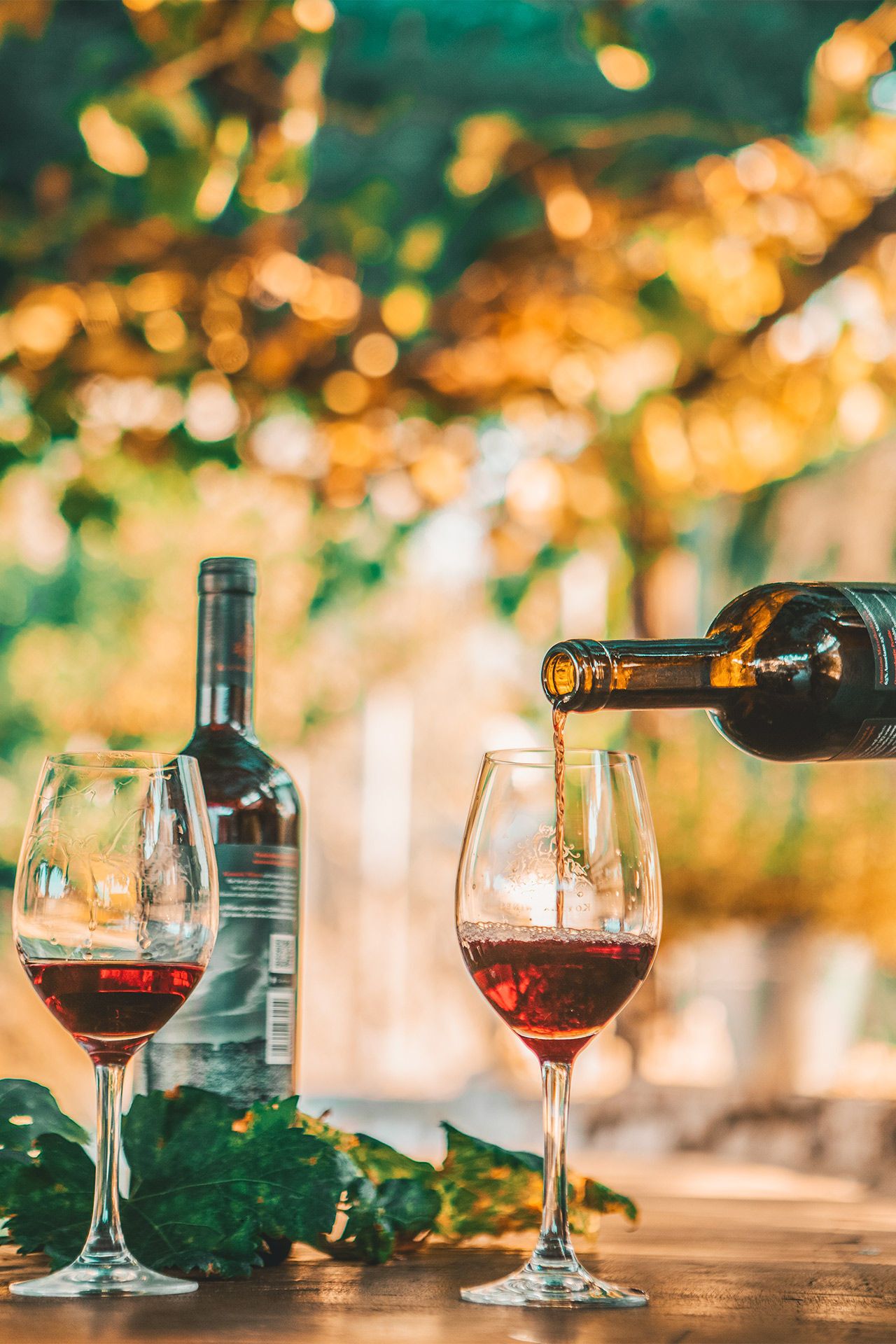
There are numerous wineries on Rhodes, producing wines that match the smoothness of the climate. The traditional grape varieties – white Athiri and red Mandilaria (known locally as Amorgiano) – are still going strong, as are Assyrtiko, Malagouzia and Mavrothiriko. But European varieties such as Chardonnay, Sauvignon Blanc and Cabernet Sauvignon have also been successfully introduced. With vineyards split between lowland and hilly regions, it’s a chance to appreciate the island beyond its coastline. Athiri, the main grape of PDO Rhodes (one of four Protected Designation of Origin wines), is cultivated on the slopes of Mt Attavyros, while Mandilaria is produced in lower areas.
The honey
You won’t be allowed to leave Rhodes without trying the local honey. It is drizzled on pies (savoury and sweet), poured over yogurt and added to sesame seeds and nuts to produce melekounia bars, served at weddings and baptisms and eaten as an energising snack. You can visit Melissokomiki Dodecanisou (the Beekeeping Company of the Dodecanese), which has gathered a cooperative of around 70 beekeepers and stocks a variety of honey (thyme, pine, blossom…) as well as other beehive products (royal jelly, wax and pollen and even shampoos and soaps). And there is an accompanying Bee Museum (the only one in Greece), where you can learn all about Rhodes’ beekeeping tradition since antiquity.
The local dishes
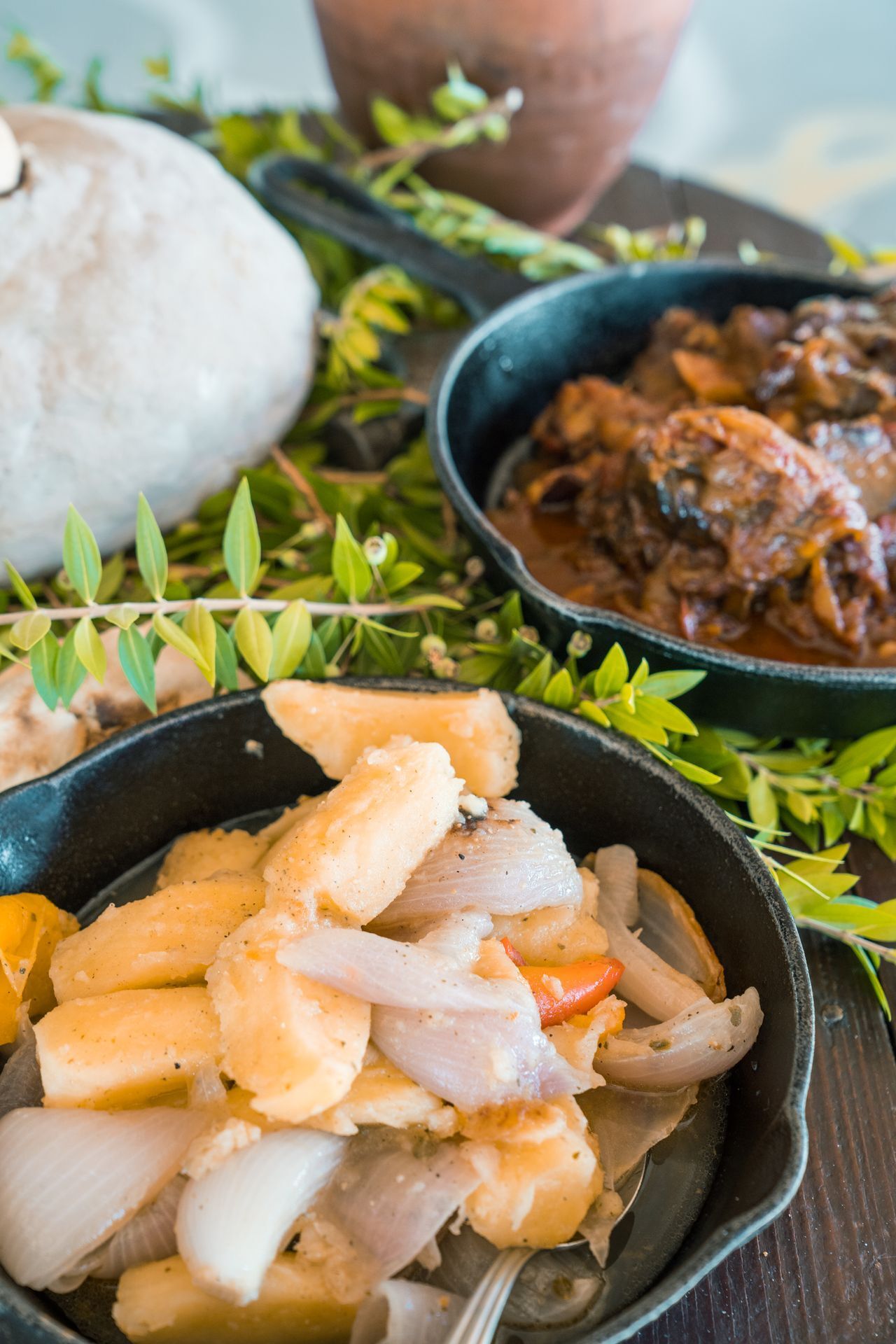
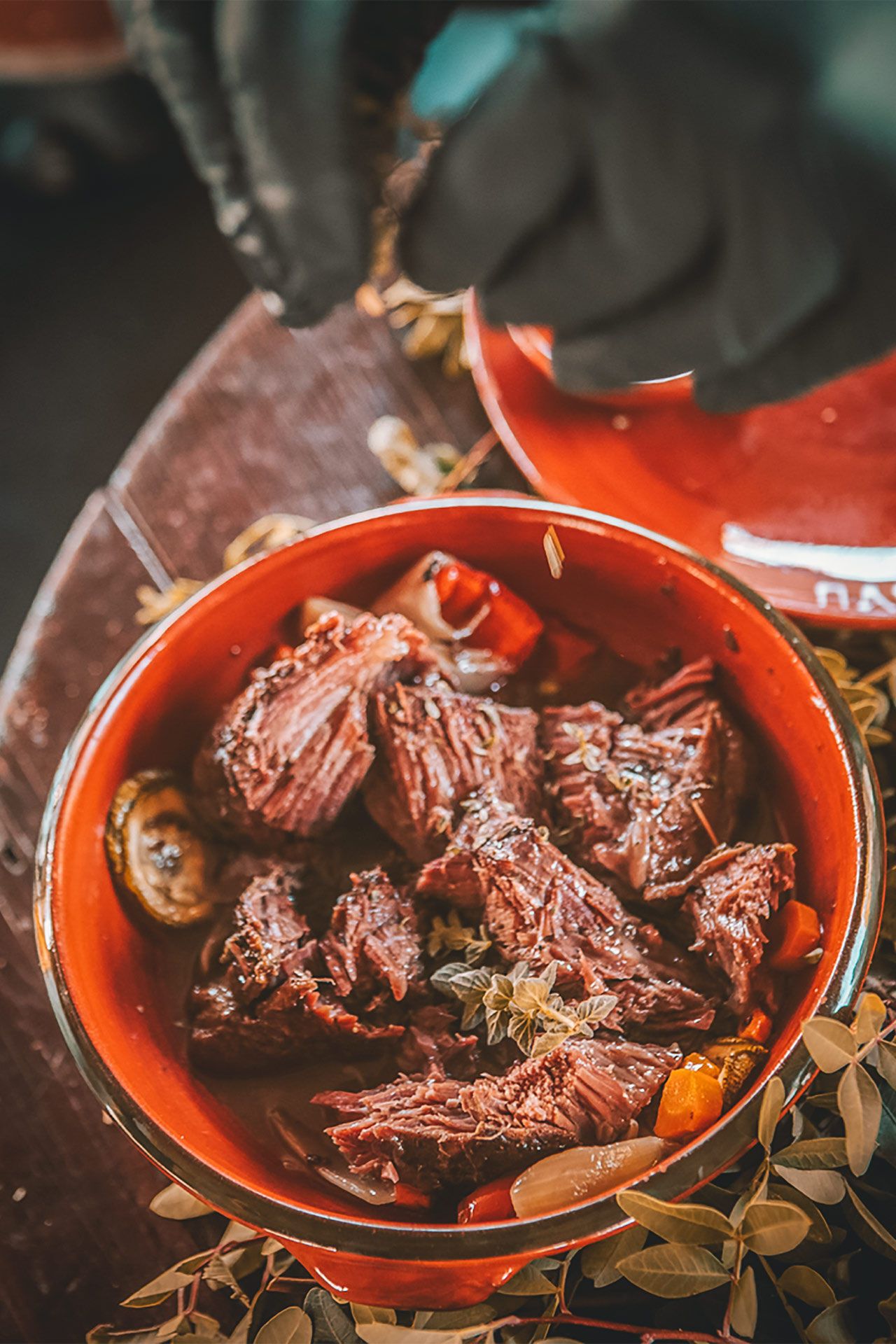
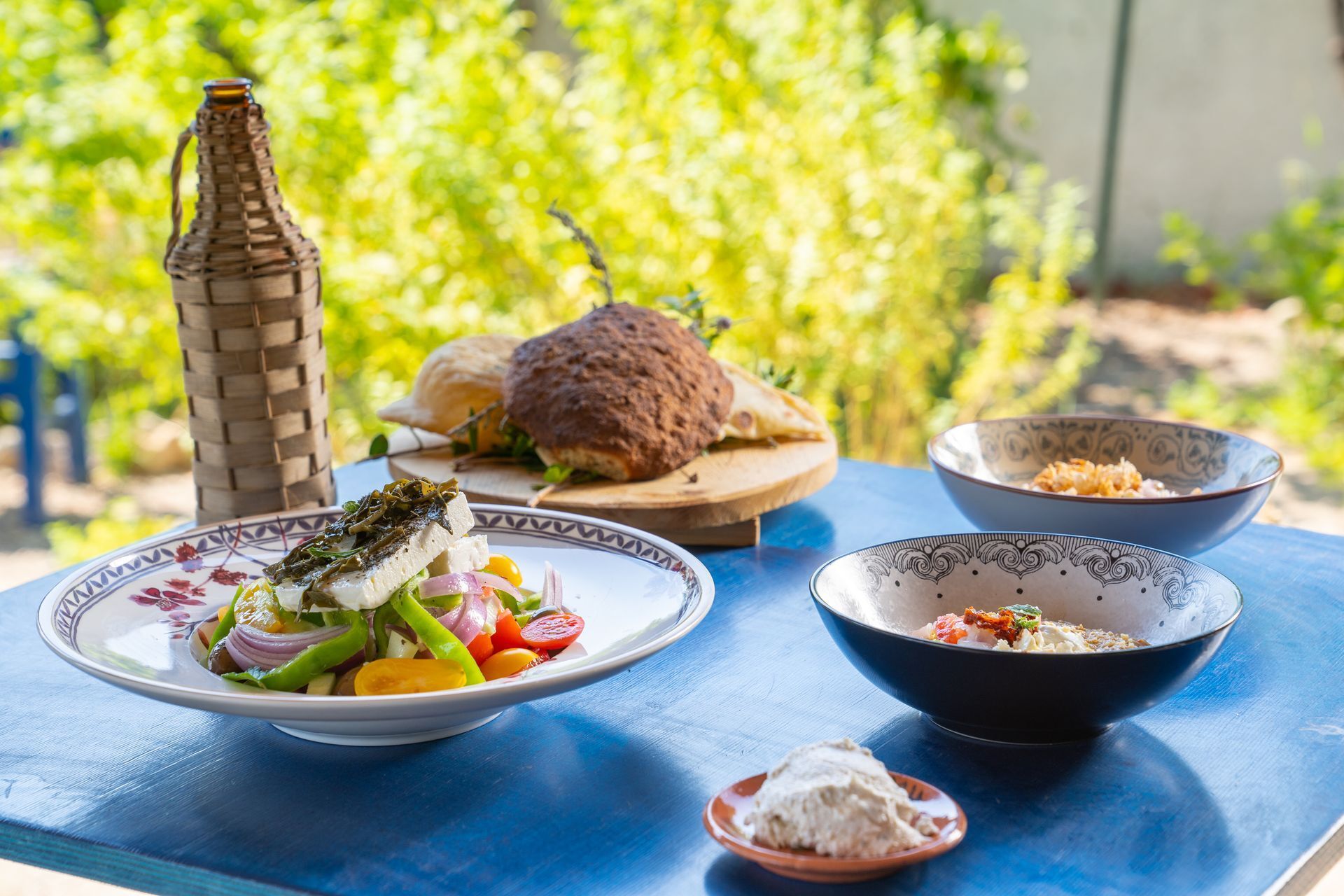
Now’s the time to be introduced to Rhodes’ local cuisine. There are so many dishes that it’s hard to know where to start. Don’t leave without sampling lakani (goat, chickpeas and coarsely ground wheat known as chondros, spiced with cumin and baked overnight in a ceramic pot), pitaroudia (fried tomato balls with onion), cuttlefish risotto (cooked with cuttlefish ink), talagoutes (pancakes with honey, grated almonds and sesame seeds), giaprakia (coarsely ground mince wrapped in vine leaves), karavoli (snails fried in red sauce with onions and cumin). The list goes on. All washed down with a Rhodian wine, or perhaps a locally brewed beer.